
On this page
People searching for a crypto debit card in Colombia usually want one of two things: a card to pay for groceries or a flight with their crypto balance, or a way to buy crypto with the debit or credit card they already have. Those are different products with different costs and risks, and the supply of the first is much thinner than the ads suggest.
This guide covers which cards actually exist for people in Colombia, what they charge, how to buy crypto with your Visa or Mastercard, why a credit card deserves a call to your bank first, and what the DIAN, Colombia’s tax authority, says when you pay with crypto.
Two different things: spending cards vs buying with a card
A crypto spending card is a debit card, almost always Visa or Mastercard, linked to your balance on a platform. When you pay at a store, the platform converts your crypto into the payment currency and the merchant receives ordinary money. You do not see the conversion at the register, but it happens, it costs a fee and, for the DIAN, it counts as a sale.
Buying crypto with a card is the reverse: you use your regular bank card to pay on an exchange and receive crypto. The card itself has nothing to do with crypto; what matters is whether the exchange accepts cards issued in Colombia, what it charges and how your bank converts the pesos.
| Item | Crypto spending card | Buying crypto with your card |
|---|---|---|
| What you do | Pay merchants from your crypto balance | Pay an exchange and receive crypto |
| Who converts | The card platform | Your bank, pesos to dollars |
| Typical cost | Conversion and FX fees | Exchange fee plus your bank’s rate |
| Examples | Wenia Card, MoneyGram card | CEX.IO, Wenia (COPW) |
Crypto debit cards available in Colombia
| Card | Network | Status in Colombia | Published costs |
|---|---|---|---|
| Wenia Card | Digital Mastercard | Live, Colombian citizens only | No issuance or monthly fee |
| Binance Card | Mastercard | Unconfirmed: Colombia dropped from its table | Earlier table: 0.9% conversion fee |
| MoneyGram card | Visa | Reported live by the press | No fees found |
| CEX.IO Card | No data | Paused since Feb 3, 2026 | Not applicable |
| Bybit Card | No data | Could not be verified | Could not be verified |
Wenia Card. This is the card in the Wenia ecosystem, the Bancolombia group’s crypto platform. It is a digital Mastercard that works with Apple Pay and Google Pay, with no issuance or monthly fee and a USD 10,000 monthly limit. It is run by Wenia S.A.S., a Colombian company that answers to the Superintendencia de Industria y Comercio (the consumer-protection regulator), not the Superfinanciera. The automatic conversions the card makes when you pay carry a fee, but we could not verify the amounts in its fee table. Only Colombian citizens with a physical cédula can use it, so foreign nationals are out. More in our Wenia review.
Binance Card. Binance has a help article on the card’s costs and limits in Colombia, with a global program table: a 0% FX fee (plus Mastercard charges), a 0.9% crypto conversion fee and no annual or issuance fee. The problem is that a later table, dated 01-06-2026, no longer includes Colombia. We cannot confirm today whether the card is issued for the country, or at what cost.
MoneyGram card. MoneyGram chose Colombia as the first market for its USDC digital-dollar app, announced on September 17, 2025 with a waitlist. Crypto media later reported that a Visa card linked to a StablecoinA cryptocurrency designed to hold a fixed value, usually 1 US dollar, such as USDT or USDC. balance (coins designed to be worth one dollar) was live in Colombia, without giving a date. We found no official fees or limits.
CEX.IO Card. Card payments stopped on February 3, 2026, after Poland’s financial regulator (KNF) withdrew the payment authorization of Quicko sp. z o.o., the payments company behind the program, a decision announced on January 21, 2026. New card issuance is paused. Nor could we confirm that Bybit’s card works in Colombia, or any card product from Crypto.com for the country.
Fees and exchange rates
With a crypto spending card you pay for at least two things: converting your crypto and changing currency. The conversion fee is what the platform charges to sell your crypto at the moment of payment. The FX cost appears when your balance is in dollars and you pay in pesos: someone sets the rate, and that is where a SpreadThe difference between the buy and sell price. It is a hidden cost even when an app says "no fee". (the gap between the rate you get and the market rate) tends to hide.
An example using Binance’s earlier table: if you pay a COP 200,000 grocery bill with crypto and the conversion costs 0.9%, you pay COP 1,800 in fees, plus Mastercard’s charges. We cannot run the same numbers for the Wenia Card because its conversion fees are not verified.
When you buy crypto with your bank card, the costs sit elsewhere. On CEX.IO you pay a deposit fee of 0.49% to 4.99%, plus a provider charge that varies by country, and your bank converts your pesos to dollars, euros or pounds at its own rate with its own charges. Check the rate on your statement: the gap with the TRMThe official daily dollar-to-peso reference rate, certified by the Superfinanciera. (the official dollar rate, COP 3,316.70 from November 14 to 17, 2026) is part of your real cost.
Buying crypto with a Colombian Visa or Mastercard
This is the most direct route if you want to skip PSE, Bre-B and P2P. CEX.IO, our top pick in the ranking, serves Colombia and accepts Visa and Mastercard cards issued here: you pay in pesos, your bank converts, and the crypto lands in your account. The exchange lists 370 crypto assets, charges a 0.25% spot fee at the entry tier, and its group is registered with FinCEN in the US and the FCA in the UK; it has no Colombian license because no such regime exists.
Create your account and verify your identity
Complete KYCKnow Your Customer: the identity check (ID or passport plus a selfie) exchanges require. (identity verification with an ID document and a selfie) and turn on 2FA with an authenticator app.Add your card
Register your Colombian Visa or Mastercard. Only 3 successful card deposits are allowed per day.Choose the amount
For the first 3 months after verification, the cap is USD 1,000 a day and USD 3,000 a month.Buy the crypto
Once the balance is credited, buy USDT, BTC or another coin. If you move it, the sending and receiving networks must match.
To withdraw back to a card, Colombia can only use Mastercard, with funds arriving within about an hour depending on the issuing bank; withdrawals to Visa are not available for the country. Google Pay and Apple Pay appear as deposit options, but we could not confirm that they work in practice with Colombian cards.
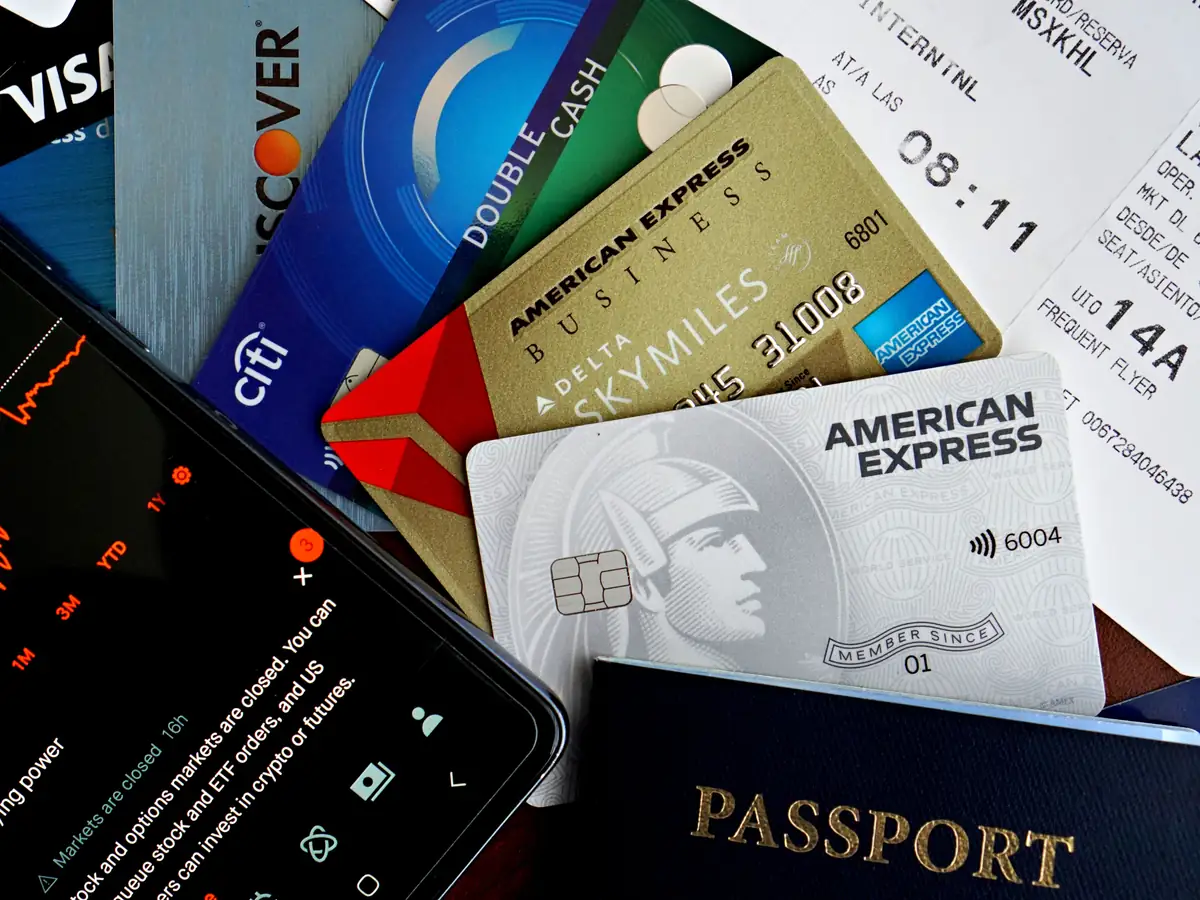
Wenia also accepts Colombian debit or credit cards to buy COPWWenia's (Grupo Bancolombia) stablecoin designed to be worth 1 Colombian peso, on Polygon., its digital peso, with no fee. And keep in mind your bank may decline the charge: in a 2025 opinion, Colombia’s central bank described how Davivienda declined a customer’s crypto purchase under its anti-money-laundering policy.
Buy crypto with your Colombian card
Pay with your Visa or Mastercard, your bank converts the pesos, and the crypto lands in your exchange account.
Credit cards: cash-advance traps
You can buy crypto with a credit card in Colombia, but ask three questions first. The first is for your bank: will it treat the purchase as a regular purchase or as a cash advance? This is a general banking point: depending on how the bank classifies the charge, it could treat it as an advance, with a different interest rate and extra charges. We found no general rule for Colombian banks, so ask yours and check your first statement.
The second is for yourself: can you make the payment even if the crypto falls? With credit you are buying a volatile asset with debt: if the price drops, the debt stays the same and so does the interest. The third concerns the DIAN: credit card spending counts toward the threshold that triggers a tax return, which was COP 69,719,000 for tax year 2025.
If you go ahead, start with a small amount, see how it shows up on your statement, and use a debit card for recurring purchases.
Taxes when you spend crypto
For the DIANColombia's national tax and customs authority. It collects income tax and receives your annual tax return., crypto is an intangible asset and any transfer of its ownership is a taxable disposal, according to Unified Opinion 1621 of 2023. Paying with crypto, or with a card that converts it at checkout, means selling that crypto. The gain is the value at the moment of payment minus your cost basis.
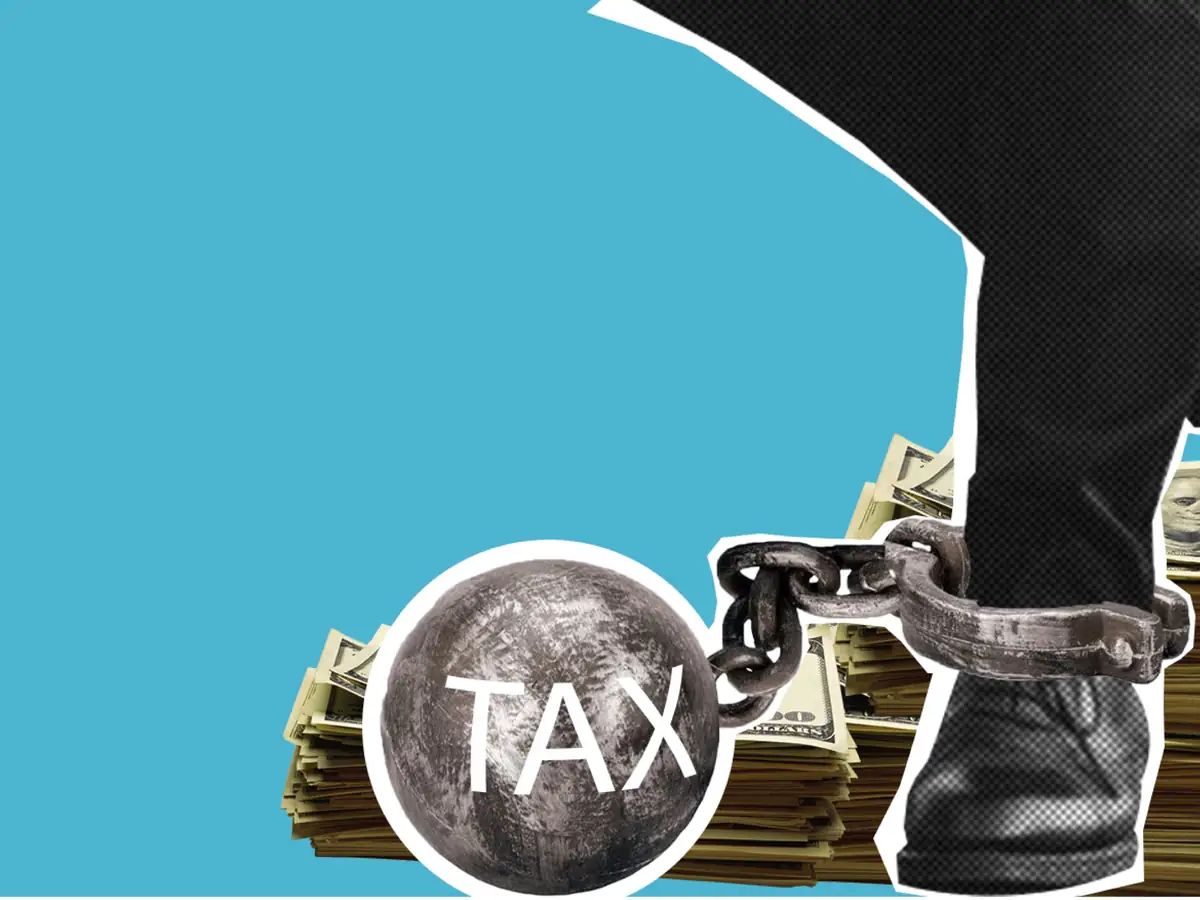
If you held the crypto two years or more as a fixed asset, the gain is a Ganancia ocasional (occasional gain)Income-tax category for gains on assets held 2 years or more, taxed at 15%. (occasional gain), taxed at 15%. If you held it for less, it goes to ordinary income, at rates from 0% to 39%. An example: you bought USDT at COP 3,265 and spend 100 USDT when it is worth COP 3,322; the gain is COP 5,700. It is small money, but it adds up with the rest of the year’s transactions, and swapping one coin for another also counts as a disposal.
On the other side of the counter, a merchant that accepts crypto records it as payment in kind, at its market value when received. And although selling crypto carries no VAT, intermediation fees do. Foreigners become tax residents after more than 183 days in Colombia within any 365-day period, and then report worldwide income, crypto included. To work out your cost basis and filing duties, see our guide to crypto taxes in Colombia.
Frequently asked questions
01 Is there a crypto card in Colombia?
Yes, though the choice is short. The Wenia Card, from the Bancolombia group, is a digital Mastercard that works with Apple Pay and Google Pay, with no issuance or monthly fee and a USD 10,000 monthly limit; only Colombian citizens can get it. MoneyGram's card linked to a stablecoin balance was reported live in Colombia. The Binance Card has no confirmed current terms for the country, and the CEX.IO card is paused.
02 Can I buy crypto with a credit card in Colombia?
Yes, on platforms that accept cards. CEX.IO takes Visa and Mastercard issued in Colombia, with a fee of 0.49% to 4.99% plus a provider charge, and your bank converts the pesos. Wenia accepts Colombian debit or credit cards to buy COPW. Before using credit, ask your bank whether it will treat the purchase as a regular purchase or a cash advance, what interest applies and whether it charges fees on international purchases.
03 Does spending crypto count as a sale for the DIAN?
Yes. For the DIAN, Colombia's tax authority, any transfer of ownership of your crypto is a taxable disposal, and paying with it, or with a card that converts it at checkout, fits that definition. The gain is the value at the time of payment minus your cost basis: an occasional gain taxed at 15% if you held it two years or more as a fixed asset, or ordinary income if less. Keep card statements showing the conversion rate.
04 Does the Binance Card work in Colombia?
We cannot confirm it. Binance published a global program fee table in which Colombia appeared with a 0% FX fee (plus Mastercard charges), a 0.9% crypto conversion fee and no annual or issuance fee. But a later table, dated 01-06-2026, no longer includes Colombia. Before counting on it, check in the app whether you can order the card and on what terms.
05 What happened to the CEX.IO card?
It is paused. Payments with the CEX.IO Card stopped on February 3, 2026, after Poland's financial regulator (KNF) withdrew the payment authorization of Quicko sp. z o.o., the payments company behind the program, a decision announced on January 21. New card issuance is also paused. CEX.IO still accepts purchases with Colombian bank cards and withdrawals to Mastercard.
06 Can a foreigner get the Wenia Card?
No. Wenia only accepts adult Colombian citizens with a physical cédula de ciudadanía and an address in Colombia; a cédula de extranjería or a passport will not do. If you live in Colombia as a foreigner, your option for buying crypto is your bank card on an international exchange, and to spend crypto you will need to sell it first and pay in pesos.
Sources
Facts checked against official sources onNovember 17, 2026.
- Wenia — Wenia Card and products (Spanish)
- Wenia — Purchase, sale and Wenia Card limits (Spanish)
- Binance — Binance Colombia Card fees and limits
- CEX.IO — Important CEX.IO Card update
- The Defiant — MoneyGram stablecoin Visa card goes live in Colombia
- CEX.IO — Limits and commissions
- DIAN — Unified Opinion 1621 (018075) of 2023 (Spanish)